2026-10-07 · Marco Ramirez
How to Flush Sediment from Your Water Heater in Los Angeles 90065
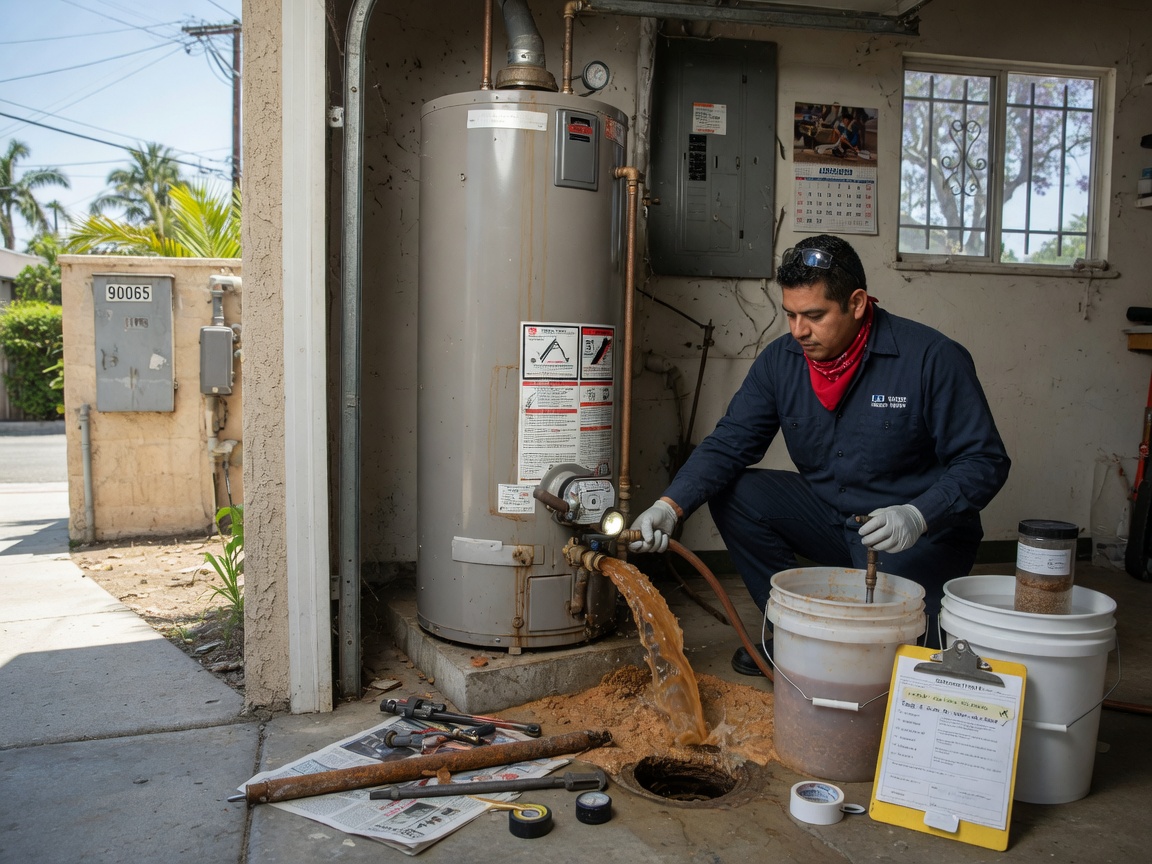
To effectively flush sediment from your water heater in Los Angeles 90065, you need to perform a full drain and flush annually, or every 6 months if you notice increased noise or reduced hot water capacity. This process typically takes about 1 to 2 hours for a standard 40-gallon to 50-gallon tank and requires basic tools like a garden hose and a bucket. Ignoring this maintenance can lead to significant issues, including reduced efficiency, premature failure, and the need for more complex repairs like Water Heater Making Noise or even full replacement. The hard water prevalent in the Los Angeles 90065 area, including neighborhoods like Glassell Park and Eagle Rock, contributes to faster sediment accumulation, making this annual task particularly vital for homeowners here.
Understanding Sediment Buildup in Los Angeles
Sediment buildup in water heaters is primarily caused by minerals like calcium and magnesium, which are abundant in the hard water supplied to the Los Angeles 90065 area. As water is heated, these minerals precipitate out and settle at the bottom of the tank. Over time, this layer of sediment can become quite thick, insulating the heating element (in electric units) or the burner (in gas units) from the water. This forces your water heater to work harder and longer to heat the same amount of water, leading to higher energy bills and increased wear and tear on the unit. For instance, a 1/2-inch layer of sediment can reduce efficiency by up to 25%. The older housing stock common in areas like Mount Washington and Cypress Park often have older plumbing systems that can exacerbate sediment issues, as pipes may also contribute mineral deposits.
Signs You Need to Flush Your Water Heater
Recognizing the signs of sediment buildup can help you address the issue before it leads to a complete breakdown. One of the most common indicators is a rumbling or popping noise coming from your water heater. This sound is created by trapped water boiling underneath the sediment layer. Another sign is a noticeable reduction in hot water supply or the water not getting as hot as it used to, which might indicate a Water Heater Not Staying Hot problem. You might also observe cloudy or discolored hot water coming from your faucets, especially if it appears rusty or gritty. If your energy bills have inexplicably risen, your water heater's inefficiency due to sediment could be a contributing factor. Addressing these signs promptly can prevent the need for more extensive Water Heater Repair down the line.
Tools and Safety Precautions
Before you begin, gather the necessary tools and ensure you prioritize safety. You will need: a garden hose, a large bucket (a 5-gallon bucket is usually sufficient), a flathead screwdriver or socket wrench (depending on your drain valve type), and work gloves. Always turn off the power or gas supply to your water heater before starting any maintenance. For gas water heaters, turn the thermostat to the 'Vacation' or 'Off' position and close the gas supply valve. For electric units, switch off the corresponding breaker in your electrical panel. Be mindful that the water draining from the tank will be extremely hot, so avoid direct contact and ensure children and pets are kept away from the work area. If your water heater is old, or you're unsure about any step, it's always best to contact a professional for assistance, especially given the potential for leaks or damage in older homes around Los Angeles 90065.
Step-by-Step Flushing Process
Follow these steps carefully to flush the sediment from your water heater:
- Turn off Power/Gas: As mentioned, this is the crucial first step. For gas heaters, turn the thermostat to 'Off' and close the gas valve. For electric heaters, shut off the circuit breaker. This prevents the heating elements from burning out if the tank empties.
- Turn off Cold Water Supply: Locate the cold water inlet valve at the top of your water heater and turn it clockwise until it's fully closed. This stops new water from entering the tank.
- Open a Hot Water Faucet: Open a hot water faucet in your home (e.g., in a sink or bathtub) to relieve pressure in the system. This will help the water drain more easily. Let it run until the water flow stops.